
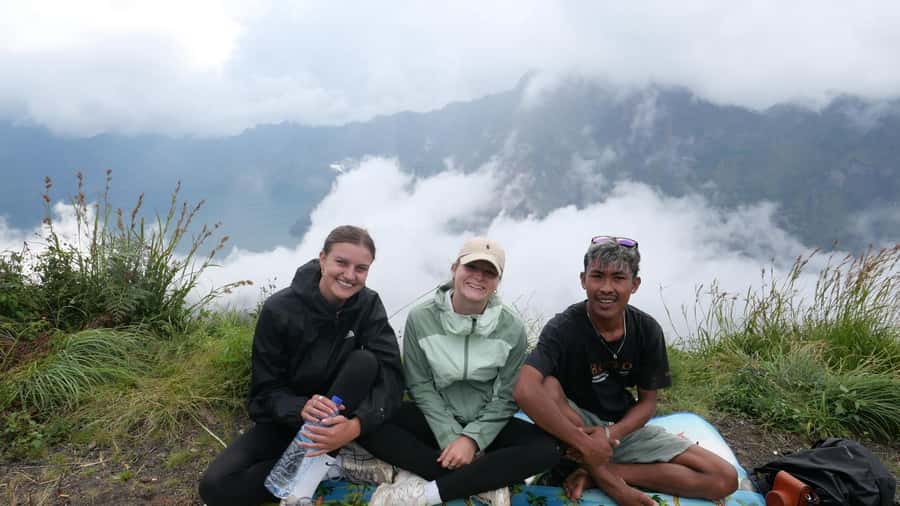
Reviewed · MOUNT RINJANI TREKS
Mount Rinjani: 3D2N Summit, Lake & Senaru Crater Rim
Mount Rinjani is interesting because this trip strings together three very different worlds in 3 days: cool jungle on the way down, high-altitude volcanic ramps toward the top, and then a crater-lake stop that feels almost unreal. You get the whole arc, from the early Sembalun grasslands to crater-rim nights above Segara Anak.
I like two things a lot. First, the route is built for big views on purpose, with crater rim camping plus a summit sunrise at 3,726 m. Second, the human side matters here, with an experienced English-speaking guide and professional porters who carry the cooking and camping gear.
One consideration: this is not a casual hike. You’ll be doing a very early wake-up for the summit push, and the itinerary is labeled challenging, so good fitness matters, plus cold temperatures near the top.
Key takeaways before you go
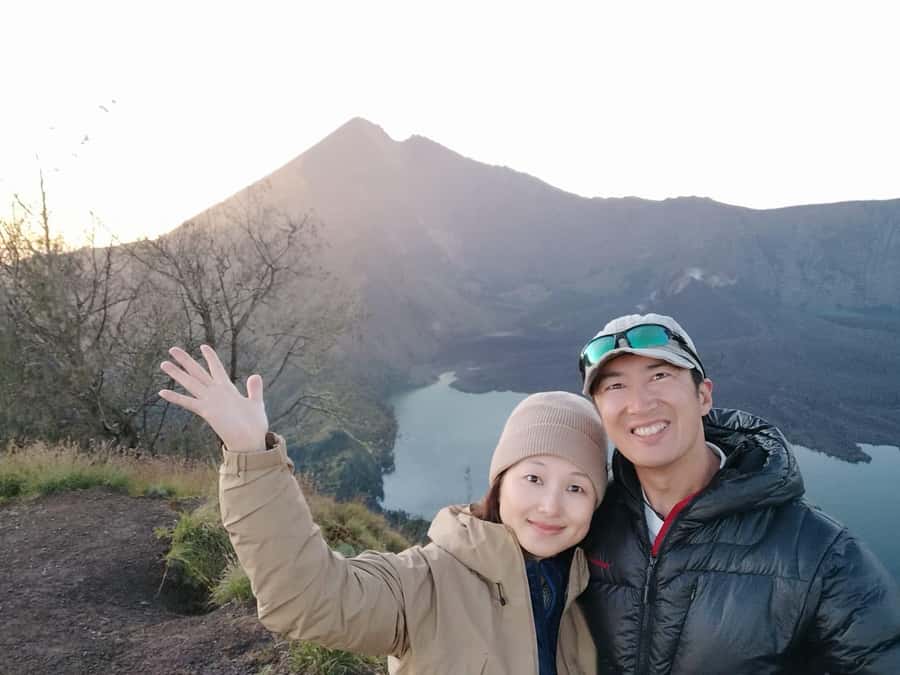
- Summit push timing: an early start from the crater rim, aiming to reach the summit around 6:00 am for sunrise
- Crater rim nights: sleep high up at the rim near both Sembalun and Senaru for classic Rinjani sunset/sunrise vibes
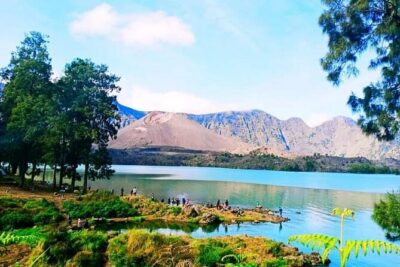
- Segara Anak Lake time: you get real downtime at the lake, including a stop to rest and swim
- Guide support you can count on: an English-speaking guide and porters who handle cooking and camping equipment
- Know what is extra: the national park entry ticket is not included, and you’ll likely need your own warm layers and hiking shoes
Rinjani Torean Route, the big reason people do this loop
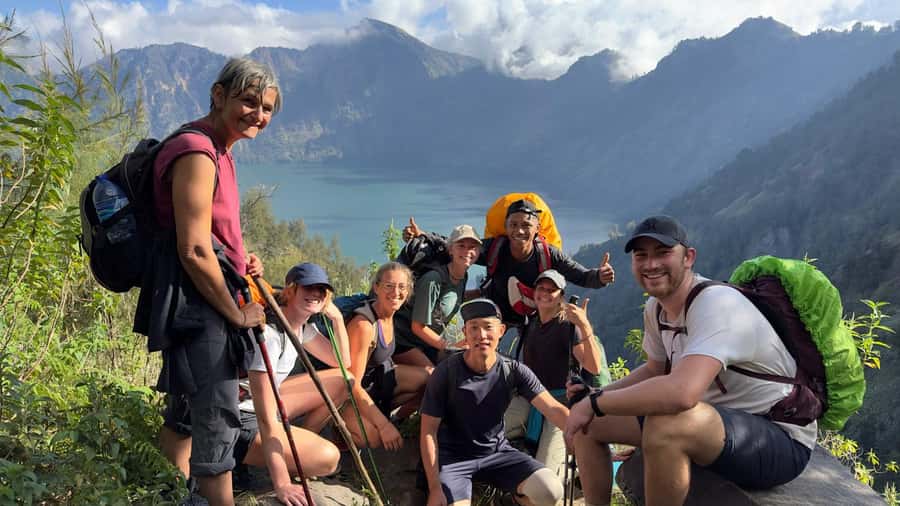
This 3-day trek is set up as a summit-and-lake circuit using the Torean Route, starting from Sembalun and returning via Senaru. That matters because it avoids the feeling of “backtracking only,” and it lets you experience different scenery each day instead of repeating the same trail over and over.
I also appreciate how the day-by-day plan is paced around major altitude moments. Day 1 builds you up gradually, Day 2 is the intense climb and descent day, and Day 3 is a longer, calmer finish through rainforest back to Senaru. You still hike a lot, but it’s structured so you’re not going from zero to summit in one brutal jump.
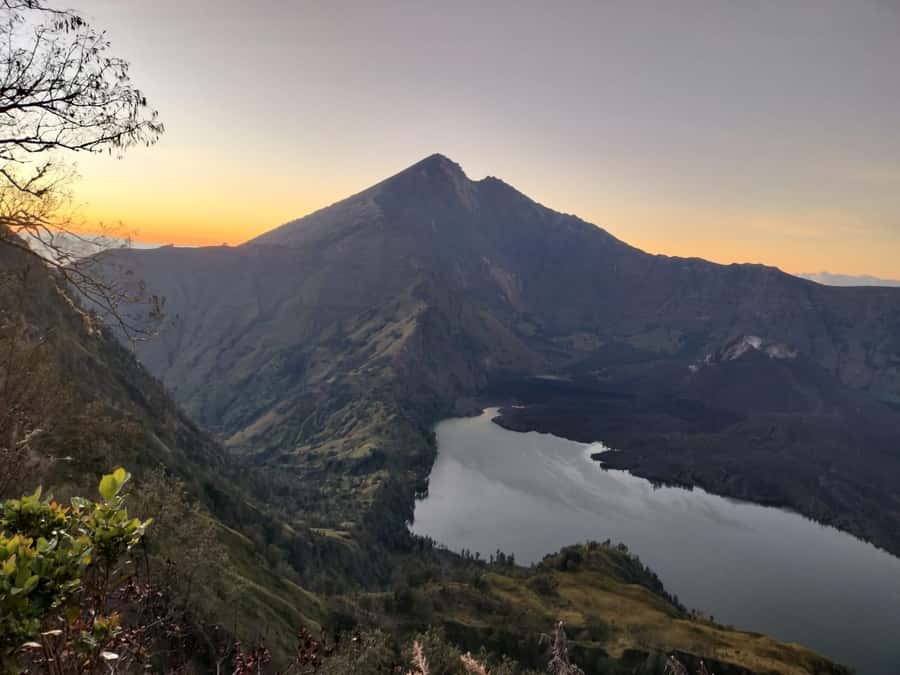
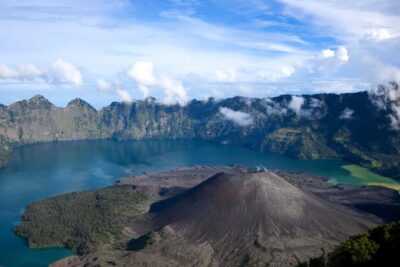
And yes, the payoff is what you think it is: Segara Anak Lake views, plus sunrise and wide panoramas from the summit height of 3,726 m. The best part is that the trip gives you time to actually enjoy those moments, not just stand there for five minutes.
More Rinjani treks:
- Mount Rinjani Trekking 2D/1N Summit Sunrise & Sunset Views
★ 4.7 · 67 reviews - Mount Rinjani Climbing 2D/1N Summit Trek 3726M
★ 4.9 · 8 reviews - Mount Rinjani 2 Days 1 Night Senaru Crater Rim
★ 5.0 · 131 reviews
Day 1: Sembalun grasslands, posts, then a crater rim sunset night
Your day starts early, with wake-up around 6:00 am and breakfast before the drive to Sembalun (about 1,100 m). You’ll register at the Rinjani information center, then start hiking around 8:00 am.
The first stretch is a gentle climb through open grasslands. This is a smart warm-up section because it gets your legs moving without immediately throwing steep terrain at you. After about two hours, you reach Post 1 (1,300 m), then about 40 minutes later Post 2 (1,500 m). You continue to Post 3 (1,800 m) for lunch.
Here’s why this “post” layout is helpful for you: it breaks the day into reachable segments. You get built-in rests, and it reduces that uncomfortable guessing game of “How much longer until we stop?”
After lunch and resting, the hike turns more demanding. You continue toward the Sembalun crater rim (2,639 m). It takes around 3 hours, including a long steep climb. At the rim, you camp overnight and enjoy sunset views.
Practical reality: at this elevation, sunset can cool you off fast. Bring warm layers even if you feel fine at midday.
Day 2: 2:00 am wake-up to summit sunrise at 3,726 m
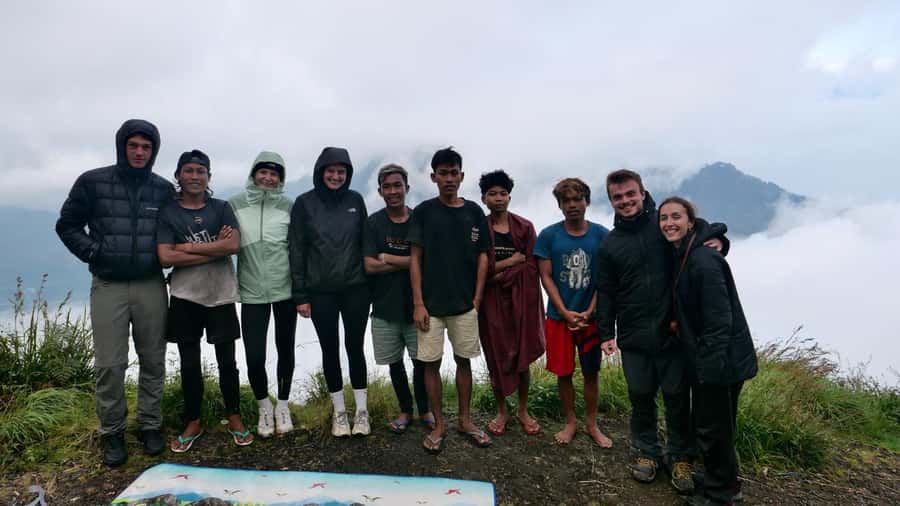
Day 2 is the big one. You wake around 2:00 am with a warm drink and light breakfast, then start moving around 3:00 am. Early starts like this are common on Rinjani because the summit push works best before weather and visibility change.
The climb begins with a moderate ascent, followed by a longer but easier stretch. Then comes the final approach, which includes a steep volcanic cliff climb. This is the portion where your pacing and steady footwork matter most.
The goal is to reach the summit around 6:00 am. The itinerary promises sunrise there, with views that can stretch across Lombok, Bali, Sumbawa, and Segara Anak Lake. Even if visibility shifts, you’ll still be high enough to feel like you’ve left the island world below you.
After the summit, you descend back to the Sembalun crater rim in about 2 hours, eat breakfast, then start another long descent down toward Segara Anak Lake (about 3 hours). Along the lake, there’s time to stop and rest, enjoy the view, and even swim.
A key tip for your comfort: cold mornings can trick you into thinking you don’t need water or snacks. But you’re burning calories and breathing harder. Use your personal snacks and take advantage of the included water.
Then there’s a recovery moment that hikers love: the porter prepares lunch at the lake, and the plan mentions hot water bathing to relieve aches and pains. It’s presented as something widely known locally for natural healing powers. Either way, soaking your legs usually feels good after that second-day grind.
Segara Anak Lake time, then the climb to Senaru crater rim
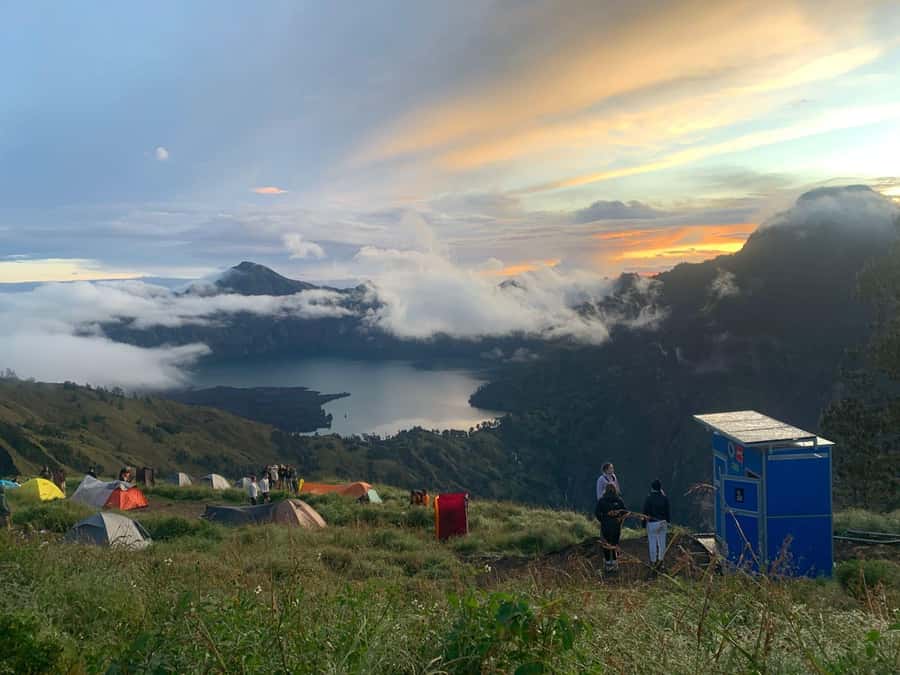
After the lake stop and lunch, you leave Segara Anak Lake and climb to the Senaru crater rim (2,641 m). You camp there for the night, and this is often the section people remember most for the views.
The plan calls out a sunset over Mount Agung in Bali, plus smoke from a new volcano on the edge of the lake. Even if you’re not focused on volcanology, it’s a dramatic reminder that Rinjani is alive and changing.
This is also where the trip feels like more than just a “reach the top” exercise. You’re not only climbing. You’re transitioning between elevations, sleeping in different rim locations, and spending time near the water before the final rainforest descent.
Something different for the next Indonesia day:
- From Lembongan: Nusa Penida Snorkeling Day Trip
★ 4.6 · 1,126 reviews - From Nusa Penida: 3 Spots Snorkeling Tour with Manta Rays
★ 4.4 · 720 reviews - Lombok: Gili Nanggu, Sudak, & Gili Kedis Private Snorkeling
★ 4.9 · 161 reviews - Ubud Town Center Silver Class – Silver Jewelry Making Class
★ 4.9 · 138 reviews
Day 3: rainforest descent through Senaru, plus a possible black monkey sighting
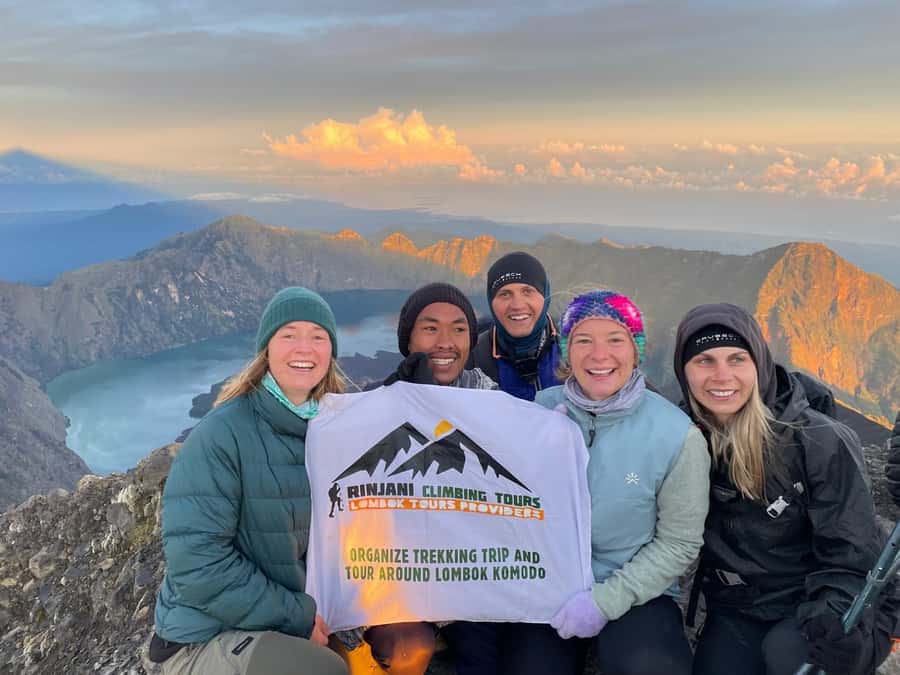
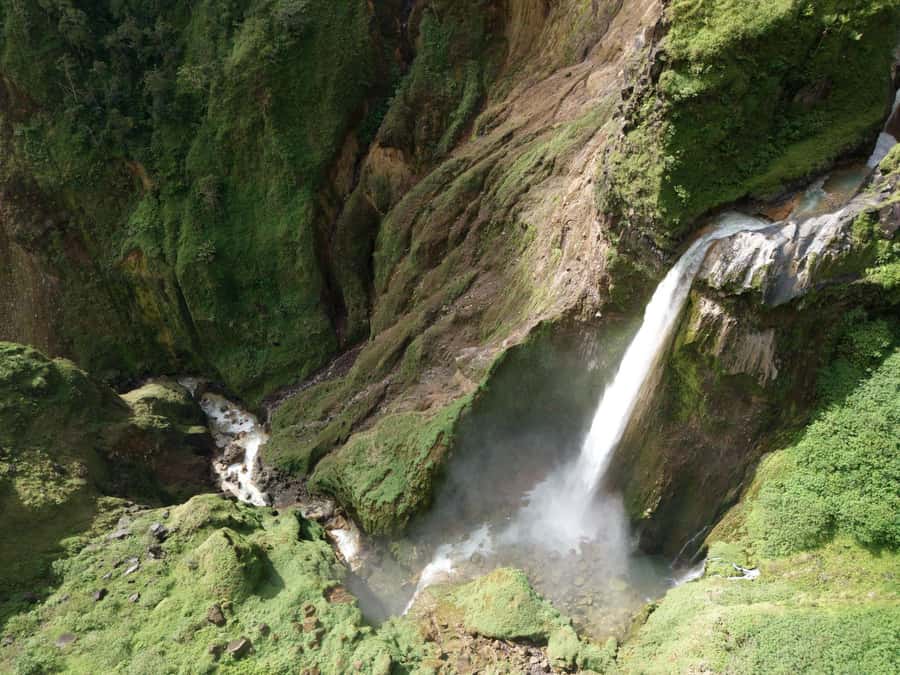
You start Day 3 with breakfast and sunrise from camp. Then you leave Mount Rinjani and descend to Senaru village, through rainforest. The hike takes about 5 hours, and you have lunch along the way.
One fun detail from the trip plan: if you’re lucky, you might see rare black monkeys. I’d treat this as a bonus, not a guarantee, but it does add a little excitement to the final descent.
Finally, you arrive back at Senaru village (about 601 m). From there, transportation takes you onward to your next destination.
This last day is long but generally feels like a “reset” compared with the summit night. Your goal becomes controlled steps and staying comfortable, because your body will be tired even if the trail is easier than the cliff section.
Price and logistics: what $145 covers, and what you must plan to pay for
The listed price is $145 per person for 3 days and 2 nights. That price can represent good value because it includes the core trekking services, a big chunk of the gear, and meals.
Included items that matter on a trek like this:
- English-speaking hiking guide plus professional porters
- Food and drinking water during the trek, including 3 liters of mineral water per day per person
- Tents, sleeping bags, and mats, plus a tent toilet setup with toilet paper
- 3 meals a day, plus tea and coffee and fruit such as pineapple and banana
- Trekking insurance
- Storage in the office for your backpack when it’s not needed
- Pickup around Senaru and transportation to the start point
What is not included, and can surprise you if you forget:
- National Park Rinjani entry ticket
- One night accommodation before the tour begins
- Warm clothes and trekking shoes
- Tips for guide and porters
- Extra food and gear like a GoPro
- A small daypack might be rented, but you’ll want to plan a simple setup for your day use
To judge value, think about what you’d otherwise have to coordinate yourself. Here, you’re not just buying a guide. You’re also paying for porters to carry cooking utensils and camping equipment, plus the camping setup. That’s the difference between a hike and a supported mountain trek.
Packing for cold mornings and wet surprises (without overdoing it)
This trip is clear that you need to come prepared. Even if the lower trail feels warm, you’re climbing toward cold, high altitude conditions.
Your packing list should include:
- Warm clothing
- Hat
- Sunscreen
- Rain gear
- Camera
- Snacks (personal extras are recommended)
- Hiking shoes
- Water and a way to carry it safely
Also note what you’re not allowed to do: no smoking, no littering, and don’t touch plants. On a sensitive volcano ecosystem, it’s both a safety and etiquette issue.
One practical approach I like: pack layers you can add fast at night and remove quickly during climbs. The trip has early starts (2:00 am wake-up), so you’ll likely be dealing with cold air right when you’re about to work hard.
Fitness, safety, and who this trek fits best
This trek is described as challenging and aimed at people with strong energy to handle the full route. It’s not suitable if you have heart problems, vertigo, or low level of fitness.
If you have any concerns about vertigo, be extra careful. The final summit approach includes a steep volcanic cliff section, and that is exactly the kind of terrain that can trigger issues for some people.
If you’re on the fence, honestly evaluate your hike history. You’ll do long hiking days (including the summit day plus descent), and you’ll be walking at night and in cold temperatures.
The human detail: guides and porters make or break a summit trip
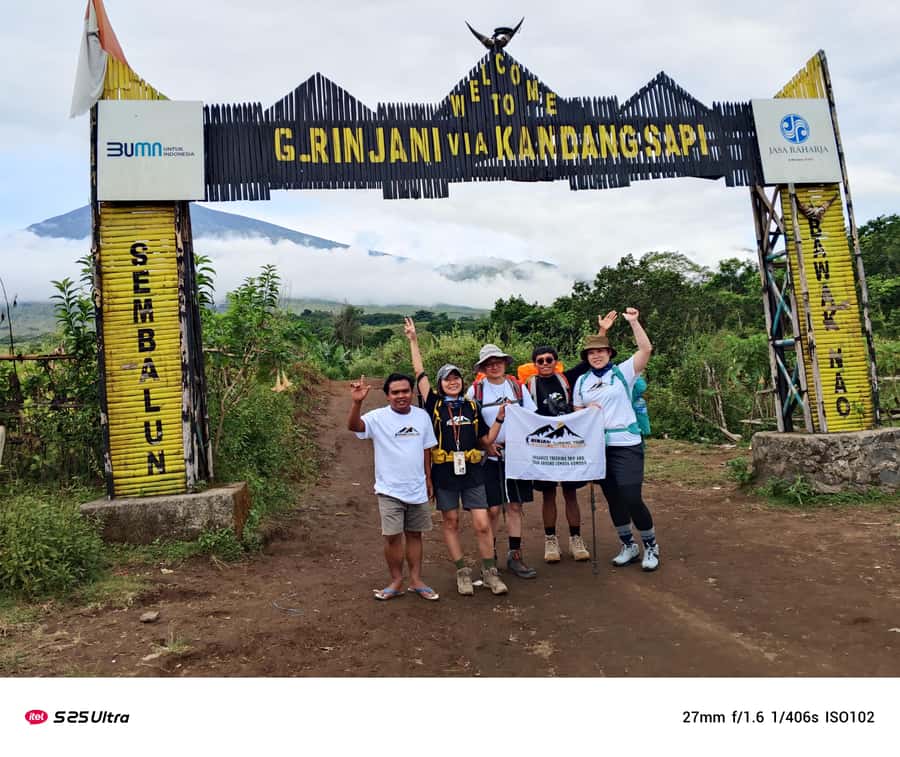
The biggest win here is support quality. You’re traveling with a guide who speaks English and Indonesian, plus porters who handle cooking and camping equipment. That combination matters because fatigue is real, and having the team manage the logistics helps you focus on rhythm and safety.
One guide name you might hear connected to this kind of trek is Ajis. In one of the provided comments, Ajis is described as very helpful in getting people to the top. That lines up with what you want on a summit attempt, clear instruction, and calm leadership when the trail gets rough.
Even with good guidance, you still control your pacing. But you should expect the team to keep you organized: breakfast timing, summit start timing, meals, and camp setup.
Should you book this Mount Rinjani 3D2N summit and lake trek?
Book it if:
- You want summit sunrise and you’re excited by the idea of high-altitude crater rims.
- You’re happy to hike hard for multiple days, including a night start.
- You value a supported experience with porters, camping gear, and meals handled for you.
Skip it or choose another option if:
- You have heart problems or vertigo, or you know your fitness level isn’t ready for a challenging multi-day trek.
- You don’t want cold early mornings. The itinerary pushes you into that 2:00 am wake-up schedule.
- You’re missing basic gear like warm layers and proper hiking shoes, since those are not included.
If you do book, come ready for the real thing: big elevation, real cold, and a day that starts in the dark and ends with a view you’ll never forget. This is the kind of trek that rewards preparation.
FAQ
What route does this Mount Rinjani trek follow?
This is a 3 day 2 night summit and lake trek using the Torean Route, starting from Sembalun and returning via the Senaru route.
How high is Mount Rinjani in this itinerary?
The summit point listed is 3,726 m.
Is the summit sunrise included in the plan?
Yes. The schedule is set to reach the summit around 6:00 am, with sunrise and panoramic views described.
What is included in the trekking meals and water?
The trek includes 3 meals a day, plus tea and coffee, fruit (like pineapple and banana), and 3 liters of mineral water per day per person.
Is the Rinjani National Park ticket included?
No. The National Park Rinjani entry ticket is not included.
What camping gear is provided?
You get a tent, sleeping bag, sleeping mat, and a tent toilet setup with toilet paper.
What languages is the guide able to speak?
The live tour guide is listed as English and Indonesian.
What should I bring?
Bring warm clothing, a hat, camera, snacks, hiking shoes, sunscreen, water, and rain gear.
Who should not book this trek?
It is listed as not suitable for people with heart problems, vertigo, or low level of fitness.
Is the tour fully refundable if plans change?
The tour offers free cancellation up to 24 hours in advance for a full refund.
Newest reviews out of Indonesia
- Lombok:Privat Snorkeling Gili Nanggu,Gili Sudak,Gili Kedis.★ 4.9 · 43 reviews
- Canggu Surf School Bali★ 5.0 · 43 reviews
- Malang: 3D2N Tumpak Sewu Bromo Ijen Bali in one go!★ 4.6 · 49 reviews
- Mount Rinjani Trekking 2D/1N Summit Sunrise & Sunset Views★ 4.7 · 67 reviews
- Private Bromo Tour start from Malang – 1D★ 4.9 · 69 reviews
- Ubud: Waterfalls, Temple, and Rice Terrace Private Day Tour★ 4.7 · 69 reviews
- Ubud Town Center Silver Class – Silver Jewelry Making Class★ 4.9 · 138 reviews
- Lombok: Gili Nanggu, Sudak, & Gili Kedis Private Snorkeling★ 4.9 · 161 reviews
Mount Rinjani Treks, compared.
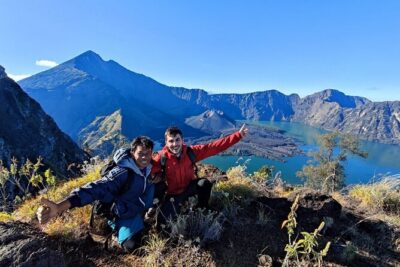
3D-2N Explore Mount Rinjani – Summit -Lake and Hotspring
Read our review →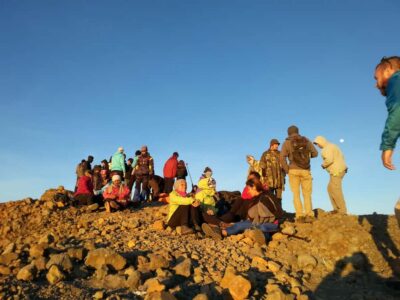
Mount Rinjani Trek 3D-2N To Summit – Lake – Hotspring
Read our review →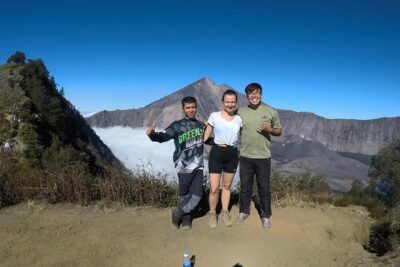
3D/2N Rinjani trekking summit,lake and hot springs.
Read our review →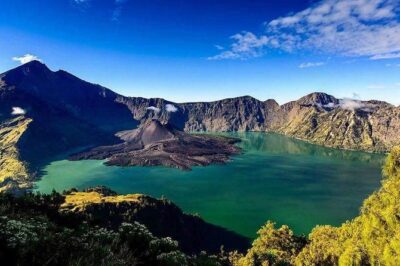
Mt Rinjani Trekking 2 Days 1 Night (Senaru Crater Rim)
Read our review →
Rinjani Trekking 3 Days 2 Nights (Sembalun – Senaru)
Read our review →Browse the lists this tour appears in