
Reviewed · MARKETS
Ubud: Virgin Coconut Oil Making Class and Market Tour
What makes this Ubud experience interesting is how it links the market to real cooking, so you go from picking ingredients to making virgin coconut oil and Balinese green curry in one relaxed session. You’ll likely hear cultural context from guides such as Kar, Sanaa, Noman, Kal, or Iwayan Kar, which helps the food feel like it belongs here, not like a staged demo.
I especially like two parts: the hands-on cooking, where you chop, grind, and mix rather than watch; and the emphasis on no MSG, using natural, locally sourced ingredients. One thing to consider is that the class smells strong in a good way, but it includes herbs, spices, and heated coconut oil, so it may not suit you if odors bother you.
Key Things That Make This Ubud Class Worth Your Time
- Market first, then cook so the ingredients you buy become the curry you taste at the end
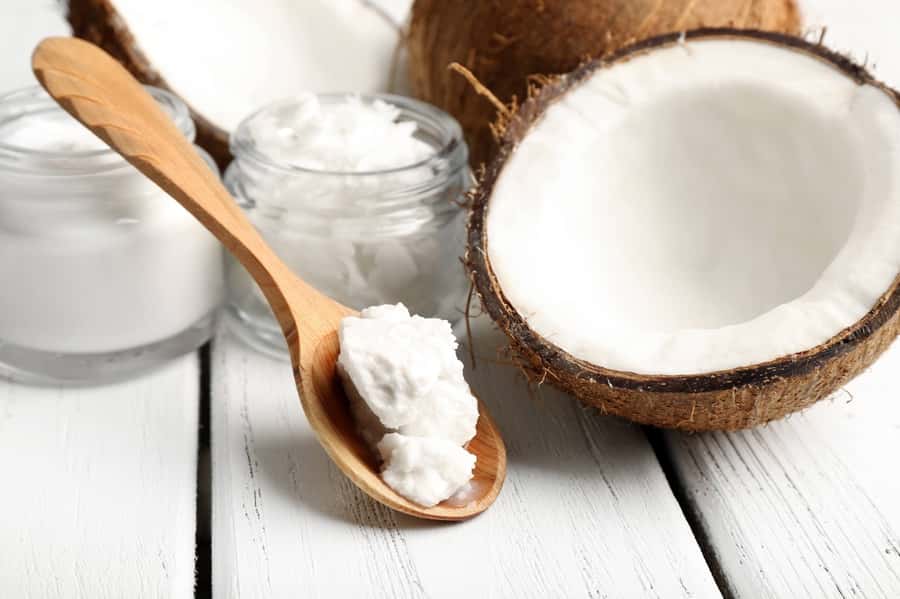
- Virgin coconut oil skills learned from scratch, including how coconut types matter in daily Balinese life
- Family-home style instruction with step-by-step help in an actual kitchen setting
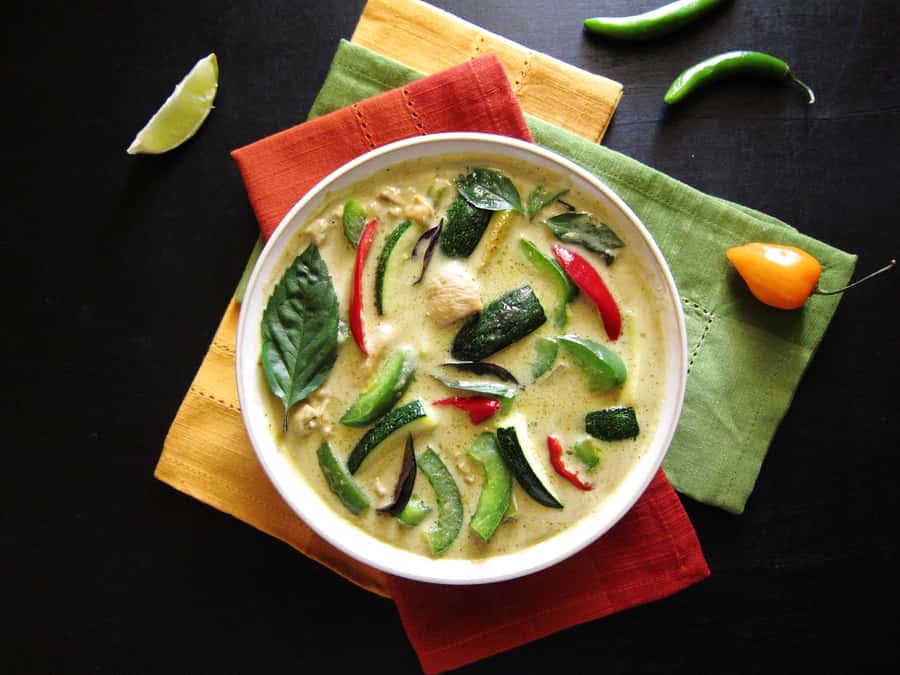
- Balinese green curry technique using coconut cream and ground herbs for the signature aroma
- A full meal you make plus a recipe book you can use again later
- Optional upgrades like coffee tasting or massage if you want to stretch the day
A Market-to-Kitchen Cooking Lesson: Coconut Oil and Green Curry in Ubud
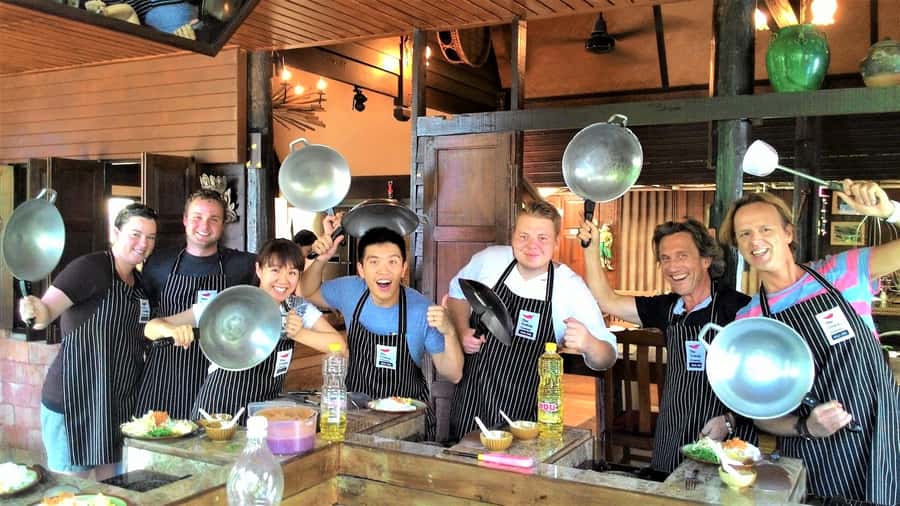
This is the kind of Bali activity that makes your brain say, oh right, food is a system. You start by walking a traditional market to see, smell, and choose the ingredients for the day. Then you move to a home kitchen where you turn coconut into virgin coconut oil and use that kitchen work as the base for a Balinese green curry.
The big win is you’re not just learning recipes. You’re learning process. Coconuts are everywhere in Bali, but the class breaks down why they matter, including that different coconut types grow and play roles in daily life. That context is what makes the cooking feel personal and local.
I also like that the instruction is informal and relaxed. People are there to learn, not perform. In past sessions, guides like Kar, Sanaa, and Noman have been praised for being professional, social, and clear while driving to the market and during the cooking.
More Shopping Tours in Bali:
- Seminyak: Balinese Cooking Class & Market Tour
★ 4.9 · 458 reviews - Ubud: Kanto Lampo Waterfall, Art Market, Cretya & Tanah Lot
★ 4.8 · 47 reviews - Ubud: Cooking Class with Transfers and Optional Market Visit
★ 4.9 · 824 reviews
How the Pickup and 4 Hours Really Run
Your experience typically starts with hotel pickup and drop-off from hotels in the Ubud area only. After that, you drive to the market, usually with plenty of talk along the way about Balinese culture and food habits.
The class is 4 hours total, so it moves at a steady pace. You’ll spend time walking the market, buying ingredients, then shifting gears into active cooking. Because it’s a half-day format, you’ll likely want to plan a lighter meal around it, since you do taste and eat what you cook.
One small logistics detail I think matters: transportation is reported as excellent, with 95% of reviewers giving it a perfect score. That’s not a guarantee, but it’s a good sign if you want a smooth start without stress.
Walking the Traditional Market and Choosing Real Ingredients
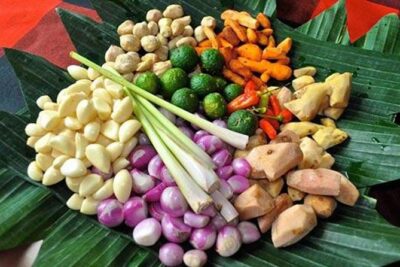
The market stop is not just a photo moment. You’re there to buy the ingredients for your coconut oil session and your green curry. You’ll walk through stalls, and your guide explains what you’re looking at, from common produce to local fruits people sample along the way.
This is one of the most useful parts for taking the skill home. Once you understand what’s used locally, it becomes easier to recreate dishes later, even if you can only approximate ingredients back in your home kitchen. Several guides also incorporate culture into the market walk, so you’re not only learning cooking, you’re learning how people shop and what they consider normal daily food.
Practical note: market paths can be uneven and narrow, so wear comfortable shoes with grip. If you’re picturing sandals and a breezy stroll, adjust that plan.
Also plan your energy. You might do some walking, plus you’ll handle ingredients later, so come in feeling ready to work, not like you just finished a long tour the day before.
Learning Bali Coconut Basics Before You Start the Oil
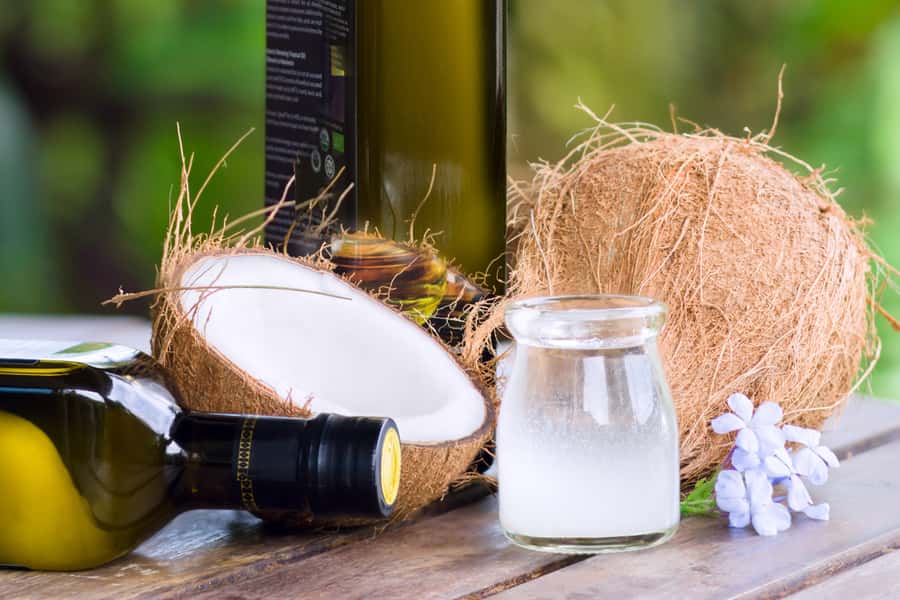
Before the cooking gets hands-on, you get coconut context. The class includes a lesson on the types of coconuts that grow in Bali and why coconut is so important day to day. This part matters because virgin coconut oil isn’t just a bottle on a shelf. It’s a made-from-scratch product, and the class shows you how those raw materials connect to the final outcome.
Then you get into the oil process. You’ll learn the steps behind making virgin coconut oil, including the role of heating processes. Virgin coconut oil requires careful handling, and the class spells out safety expectations because you’re dealing with hot oil and working through a heated process.
This is also where you should think about your comfort level. If you dislike the smell of heated coconut oil or strong herbs, this activity may feel like too much.
Something different for the next Bali day:
- Bali: Sunrise Mount Batur Guided Hike with Breakfast
★ 4.8 · 9,660 reviews - Bali: Mount Batur Sunrise Guided Hike and Natural Hot Spring
★ 4.8 · 9,284 reviews - Bali: Full-Day Instagram Highlights Tour
★ 4.8 · 7,817 reviews - Bali/Nusa Penida: East & West Highlights Full-Day Tour
★ 4.7 · 6,263 reviews
Making Virgin Coconut Oil: Heat, Patience, and a Real Skill
The oil-making portion is hands-on. You’re not just watching someone else do it, you’re learning the flow and steps that turn coconuts into virgin coconut oil.
The class is described as relaxed and step-by-step, and guides such as Kar and Iwayan Kar have been praised specifically for clear explanation and good storytelling about what you’re doing and why. That kind of guidance helps you understand the technique rather than just repeat the moves.
You should know what this means physically and practically:
- You might be working around hot surfaces and heated oil, so pay attention and follow the safety instructions closely.
- You’ll handle raw ingredients, herbs, and spices, so if you have food allergies or dietary restrictions, tell your instructor before the class starts.
This matters more than you’d think. Coconut and spices can be tricky if you’re sensitive. The class doesn’t claim allergy-free production, so communication is your best tool.
Cooking Balinese Green Curry with Step-by-Step Guidance
After you’ve learned the coconut oil basics, you shift into a Balinese green curry lesson. The curry is known for its aromatic profile, and the class focuses on building that flavor from ingredients you buy at the market.
You’ll likely work through tasks like chopping, grinding, cooking, and mixing. That’s where the experience becomes more than culinary sightseeing. In one session, guides were praised for letting people do almost everything hands-on in the home kitchen, then enjoying the results together at the end.
A key point for flavor and modern preferences: the class uses natural, locally sourced ingredients and no MSG. That doesn’t mean the curry will taste mild. It means the flavor comes from herbs, spices, and fresh aromatics rather than flavor additives.
If strong scents bother you, consider that the curry is built from herbs and spices, and the coconut oil process is also aromatic. The class has a clear note that it’s not recommended for people sensitive to strong smells.
What You’ll Eat, Taste, and Possibly Take Home
You end up tasting and eating the food you make. Your meal is included, so you’re not paying extra to sit down after the work.
In many classes described in the experience feedback, people also get a chance to taste local fruits or desserts during the day. Some guides added stops or side experiences depending on add-ons or timing, like coffee tasting at a coffee plantation or visits such as a salt-making hut, in at least one case.
One detail worth keeping in mind: the class description promises a meal you cook and a recipe book. It also says you’ll take a part of Bali back with you through a new skill. Some sessions mention taking home coconut oil you helped make, but since that’s not explicitly guaranteed in the core included items, treat it as a possible bonus rather than a certainty.
Either way, your most valuable takeaway is practical: you learn how to combine the ingredients and build curry flavor in a way you can repeat.
Price and Value for a 4-Hour Ubud Cooking Class at $36
At $36 per person for a 4-hour experience, the value comes from what’s included, not just the cooking itself.
You get:
- Hotel pickup and drop-off within Ubud area hotels
- A local market tour
- A hands-on cooking class
- A recipe book
- Bottle of water
- The meal you cook
The price also feels reasonable because you’re paying for access to a home kitchen setting, plus time for instruction and translation. You’re also not just getting a dish. You’re getting an edible lesson in virgin coconut oil and a practical method for Balinese green curry.
In Ubud, half-day classes can be expensive when you compare what’s included. Here, the market portion plus the meal plus the recipe book bring the $36 into a more “this is actually worth it” zone, especially if you prefer experiences that teach skills you’ll use again.
Optional Add-Ons That Pair Well with This Workshop
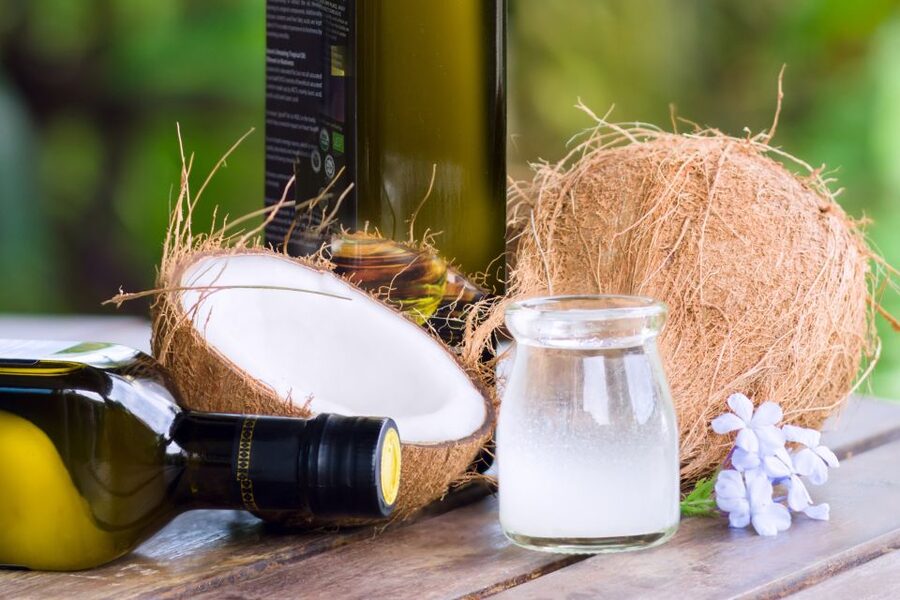
The experience can be enhanced with optional add-ons, with examples ranging from coffee tasting to traditional massage. Some add-ons are only available for certain options, so you’ll want to check what’s offered when you book.
This is how to think about add-ons wisely:
- If you enjoy sensory experiences, coffee tasting can extend the day naturally after you’ve already been learning about ingredients.
- If you want to recover after the walking and hands-on cooking, a massage can be a nice counterbalance.
Some classes in the experience feedback also included extra stops like visits to specialty places for tasting or browsing. The core point for you is control: you can keep the day focused on cooking, or you can add a second sensory activity.
Who Should Book This Class (and Who Should Skip It)
This experience is a strong fit if you want:
- Real hands-on cooking, not a passive show
- A market-to-kitchen flow that helps you understand ingredients
- A skill-based workshop around virgin coconut oil and Balinese green curry
It may be less suitable if:
- You have mobility limitations. The activities involve walking on uneven or narrow paths, and the experience is not recommended for people with mobility impairments or wheelchair users.
- Strong aromas bother you. Herbs, spices, and coconut oil smell intense while you’re working.
- You want a gentle, no-effort activity. This is active, including chopping and grinding.
There are also clear behavior and safety notes. Pets are not allowed. Alcohol and drugs are not allowed. Children must be supervised, especially around the hot oil and cooking tasks.
If you’re traveling solo, this can still work well, since guides are described as accommodating and supportive, and pickup keeps it simple.
Should You Book This Ubud Virgin Coconut Oil and Green Curry Class?
I’d book this if you like learning skills you can repeat and you want the kind of Bali food experience that starts in a real market and ends with a meal you made yourself. The focus on natural ingredients and no MSG is a bonus if you care about how flavors are built.
Skip it if you’re mobility-limited, sensitive to strong aromas, or hoping for a relaxed sitting class with minimal smells and heat. Also go in with realistic expectations about time and energy: it’s a 4-hour workshop, and your hands will be busy.
If that sounds like your travel style, this is a solid value at $36, with the added comfort of pickup, recipe support, and a cooking end result you get to taste right away.
FAQ
How long is the Ubud virgin coconut oil and green curry class?
It lasts 4 hours.
How much does it cost?
The price is $36 per person.
What’s included in the price?
Hotel pickup and drop-off (from hotels in the Ubud area only), a local market tour, a hands-on cooking class, a recipe book, a bottle of water, and the meal you cook in class.
Is the cooking class taught in English?
Yes, the instructor is English-speaking.
Do I need to bring anything?
Bring comfortable shoes, a camera, and cash.
Is cash required?
Cash is recommended because some vendors may not accept cards, especially during personal purchases.
Is the market portion walkable for everyone?
The market visit and cooking activities involve walking on uneven or narrow paths, so comfortable footwear is important.
Are pets allowed?
No, pets are not allowed.
Is MSG used in the cooking?
The class uses natural, locally sourced ingredients and is stated to be without MSG.
Is this experience suitable for people who use wheelchairs or have mobility impairments?
No, it is not suitable for people with mobility impairments, and it is not recommended for wheelchair users.
Newest reviews out of Bali
- Bali: Mount Batur Sunrise Hike Including Transfer & All Cost★ 4.8 · 39 reviews
- North Bali: Ulun Danu, Waterfalls, Swing and Monkey Forest★ 5.0 · 39 reviews
- Ubud: Traditional Balinese Painting Class★ 4.2 · 40 reviews
- Bali: Canyon Tubing Adventure★ 4.8 · 40 reviews
- Bali: Jatiluwih Rice Terraces 1 Hour Electric Bike Tour★ 4.7 · 41 reviews
- Bali: 3-Day Private Gili Islands Snorkel Tour with Hotel★ 4.2 · 44 reviews
- Bali: Penglipuran Village, Rice Terrace & Waterfall Tour★ 5.0 · 46 reviews
- Ubud: Kanto Lampo Waterfall, Art Market, Cretya & Tanah Lot★ 4.8 · 47 reviews
Markets, compared.
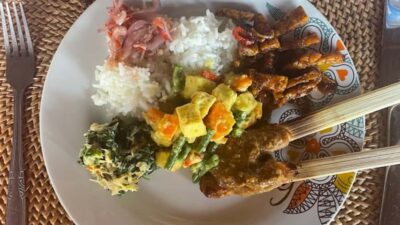
Cooking Class with Transfers and Optional Market Visit
Read our review →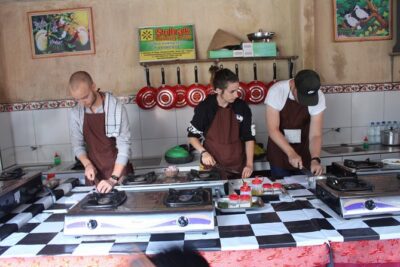
Balinese Ubud cooking school (9 Dish Cooking and Market Tour)
Read our review →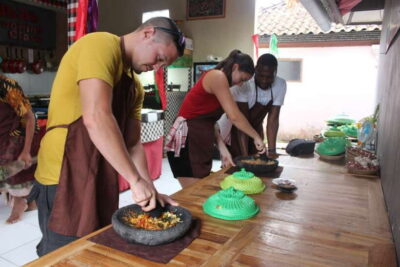

Active Volcano, Rice Field, Hot Spring, Fruit market, Tea Plantation with Lunch
Read our review →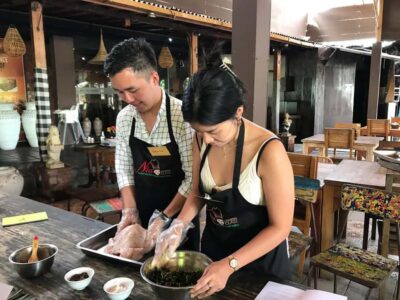
Balinese Cooking class with traditional morning market visit
Read our review →
PRIVATE Ubud Market Tour & Balinese Cooking Class with Putu
Read our review →
Browse the lists this tour appears in