
Reviewed · MOUNT RINJANI TREKS
Mount Rinjani Trekking 2D/1N Summit Sunrise & Sunset Views
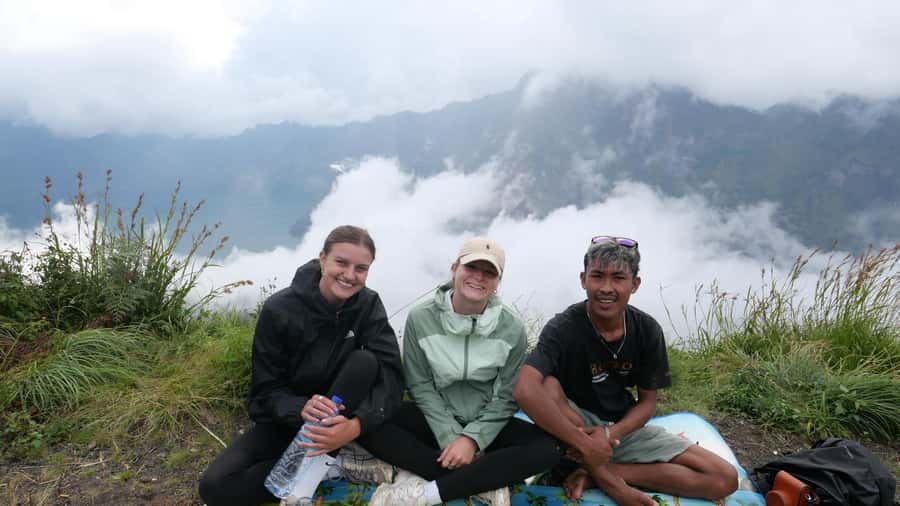
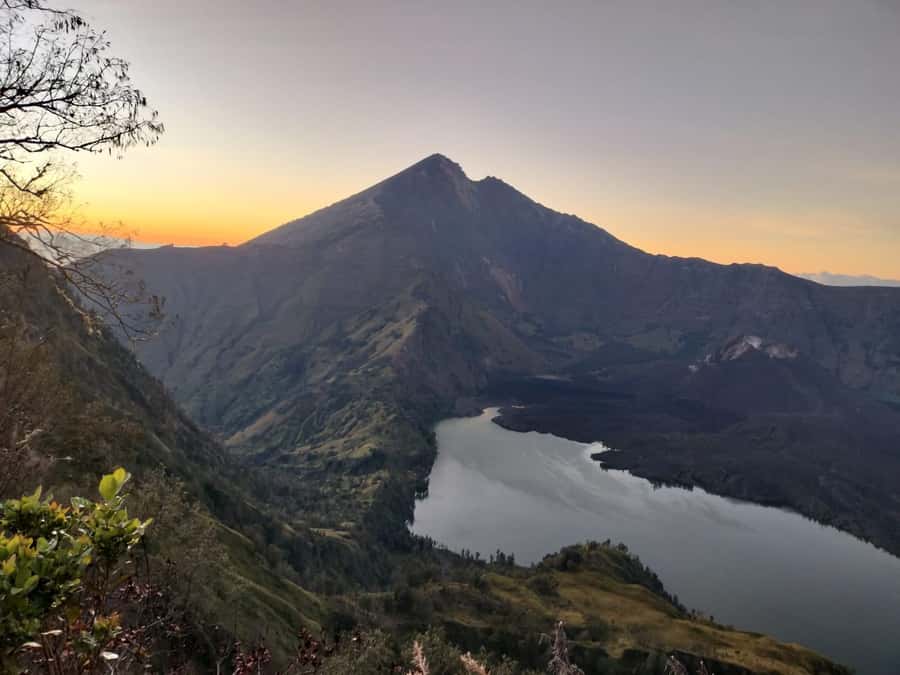
A sunrise summit on Mount Rinjani is special because you get the mountain twice, first as a dark shape and then as glowing orange light over Segara Anak. I love the Sembalun route for its steady, long climb that makes the payoff feel earned. I also love the crater rim camp setup handled by porters, with hot tea and coffee waiting when your legs finally say done.
The main catch is the early, cold grind, especially the rocky accent near 5:00am. Weather can also change the plan, so you should be ready for possible summit adjustments, even if you trained hard.
What Makes This 2D/1N Rinjani Trek Worth the Work
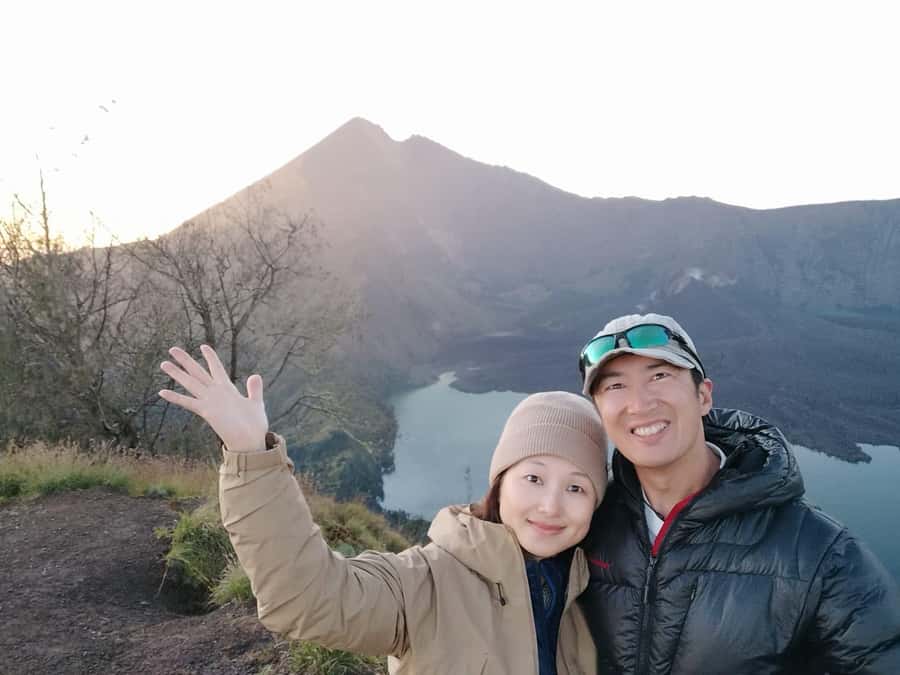
This is not a casual walk. It is a tough, focused two-day Mount Rinjani effort aimed at sunrise views, with camp at the crater rim and a high-momentum summit push.
If you’re the type who wants a real mountain experience, not just a checkbox hike, this fits. You get a full day of hiking, a night at altitude, then a pre-dawn push that turns the mountain into a moving clock. And the route through the Sembalun side helps you build toward Segara Anak Lake views without wasting time.
Sembalun to Sunrise: Key Highlights You’ll Feel in Your Body
- Crater rim camping with dinner and big sky views before the sleep
- Summit timing with a wake-up around 2:00am and a short sunrise stay (about 20 to 30 minutes)
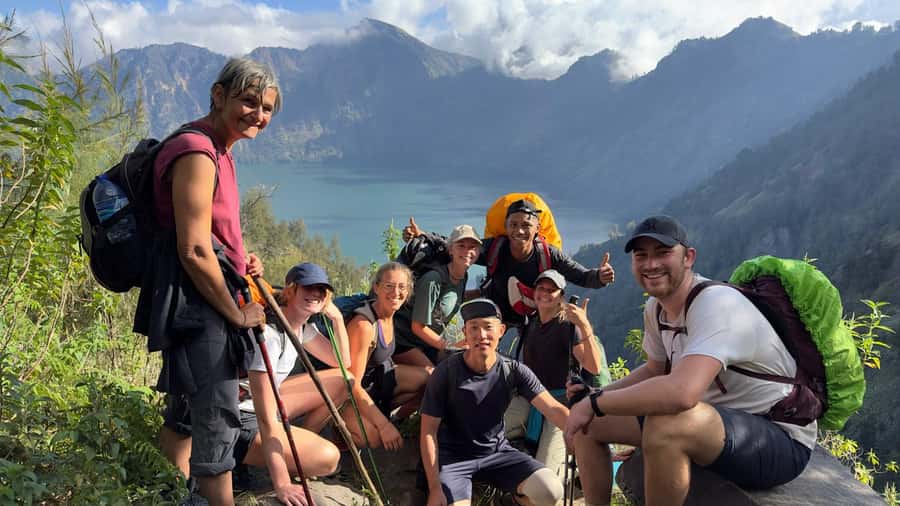
- Segara Anak Lake views showing up as the terrain opens and the air clears
- Water and hot drinks included, including 3 liters of mineral water per person per day plus tea and coffee
- Porter-run logistics: tents, sleeping gear, cooking setup, and even a toilet tent with paper
- Experienced English-speaking guides, including names like Jack, August, Peaky, Nun, Wahdi, and Ajis mentioned in the field
More Rinjani treks:
- Mount Rinjani Climbing 2D/1N Summit Trek 3726M
★ 4.9 · 8 reviews - Mount Rinjani 2 Days 1 Night Senaru Crater Rim
★ 5.0 · 131 reviews - 3D-2N Explore Mount Rinjani – Summit -Lake and Hotspring
★ 5.0 · 112 reviews
Day 1: The Long Sembalun Hike Up to Crater Rim Camp
Your day starts with breakfast and coffee or tea, then you’ll ride about an hour to Sembalun before the real walking begins. From there, you hike all day until late afternoon. You’ll stop for lunch in the middle, then keep going until you reach the crater rim in the late day window.
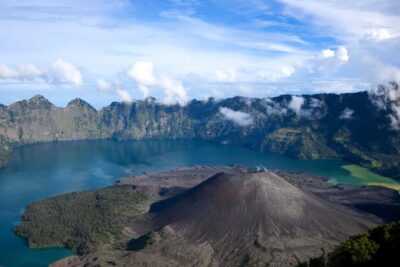
That crater rim arrival is one of the smartest parts of this trek. You don’t rush in at dawn. You climb, you earn it, and when you finally step into camp, the view has time to feel huge. You’ll also see Segara Anak Lake from this high vantage, and the surrounding are a big reason people come to this volcano in the first place.
Once your porters are setting up camp, the pace changes from painful movement to mountain living. You get dinner prepared by your guide, then you settle in for the night right there on the crater rim. If you’re hoping for sunset-style views from the Senaru crater rim area, keep your timing flexible since weather and light can affect what you see and when.
What I’d watch for: the long day. This is where people overestimate their fitness. Take it slow early. Save your energy for the second day, not for hero moments on day one.
The 2:30am Summit Push: Why This Part Feels Brutal but Fair
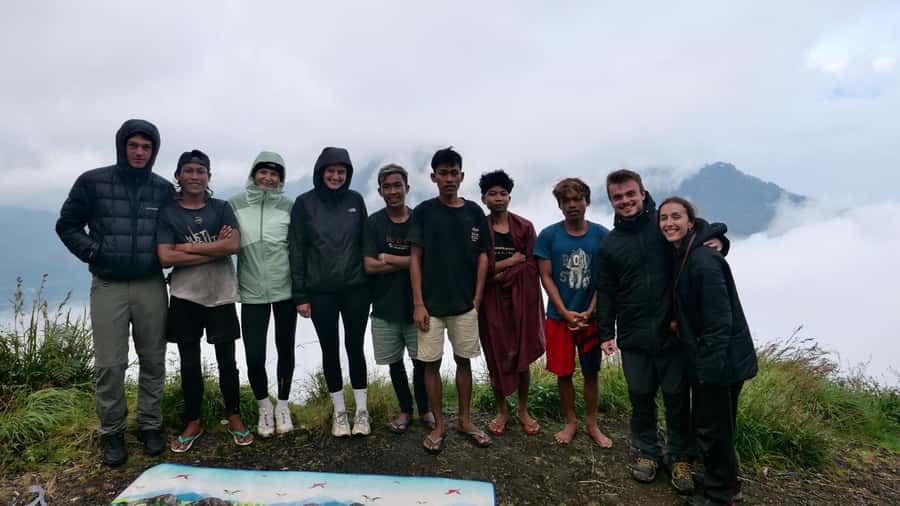
You wake around 2:00am for a quick breakfast. Then the hike to the summit starts around 2:30am. This is the kind of schedule that punishes people who didn’t plan for cold and darkness, so come prepared.
Around 5:00am, you reach the toughest part: a rocky accent with loose, gravel-like footing. The good news is that the description you’ll get is reassuring about safety, you are not walking on a knife-edge where a slip becomes instantly catastrophic. The hard news is that loose rocks sap your energy fast. Expect slow steps, lots of careful footing, and a steady focus.
Then the mountain delivers. You reach the summit just before sunrise and you stay there for about 20 to 30 minutes. That short window matters. It’s long enough to take photos, catch your breath, and really feel the temperature shift. It’s not long enough to freeze into your clothes, which is exactly the point.
After the summit, you return to the crater rim for a big breakfast. That meal feels like a reward because it is one. You’ll likely still be tired, but you’ll also feel like the hardest part is already behind you.
My practical advice: bring a reliable headlamp or flashlight. The pre-dawn climb is demanding, and good light helps your steps and your confidence.
Descent Details: Lunch Breaks and Two Different Finish Scenarios
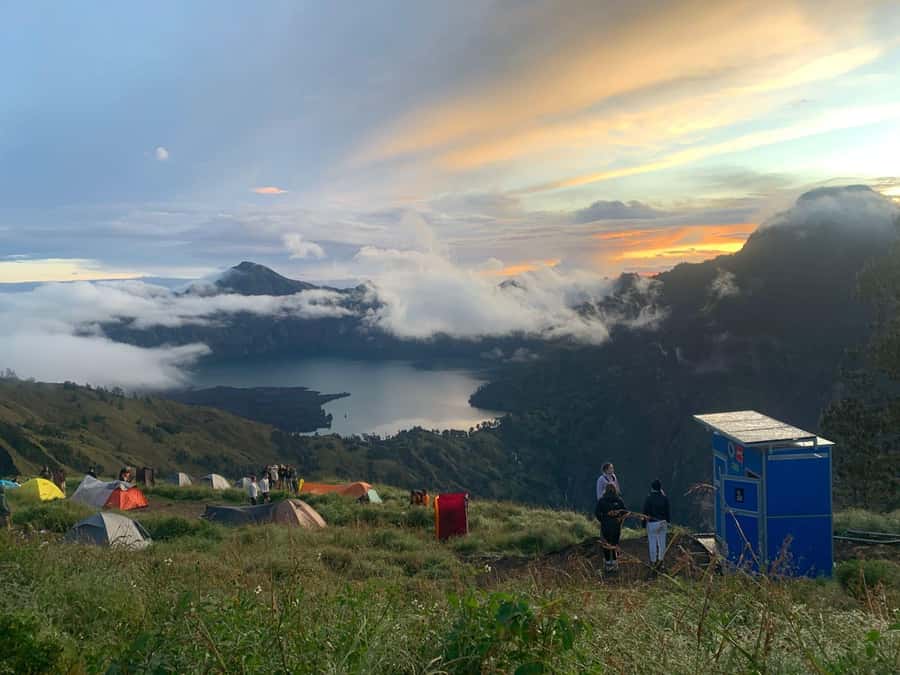
After breakfast on the crater rim, you start descending. Lunch happens mid-day during the descent before you continue down.
Here’s the important part, the route you travel to on the way down can change your day feel:
- If the descent is toward Sembalun, it’s described as mildly steep.
- If the descent connects toward Senaru, a lot of the day can be through thick rainforest, which can feel slower and more humid.
Once you’re at the bottom, you’ll be driven back to the port or airport area. If you’re staying for another adventure, you may be brought back to the provider’s homestay in Senaru.
This descent section matters for planning. It changes what you’ll feel most, leg burn versus wet forest slog. Either way, your body will be tired, so you’ll want comfortable footwear and a pace that doesn’t rush you into sloppy steps.
More Hiking & Trekking in Indonesia:
- Bali: Sunrise Mount Batur Guided Hike with Breakfast
★ 4.8 · 9,660 reviews - Bali: Mount Batur Sunrise Guided Hike and Natural Hot Spring
★ 4.8 · 9,284 reviews - Bali: Mount Batur Sunrise Trek With Guide and Breakfast
★ 4.8 · 3,461 reviews - Mount Batur Sunrise Hike and Natural Hot Spring Option
★ 5.0 · 1,927 reviews
Food, Water, and Camp Comfort at the Crater Rim
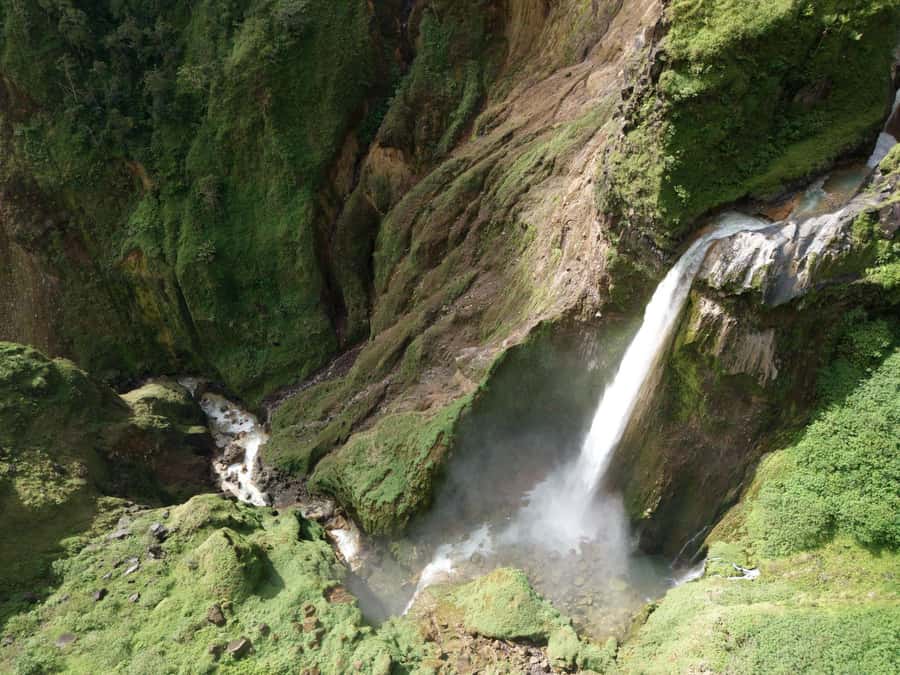
This trek is more comfortable than you might expect for a summit-focused hike, mainly because the essential stuff is handled.
You get three meals a day plus fruit like pineapple and banana. Tea and coffee are included, and you’ll have food and drinks along the way. Water is a big deal here: you receive 3 liters of mineral water per person each day.
At camp, you’re not setting up everything yourself. Tents are provided, and so are sleeping bags and mats. There’s also a toilet tent with toilet paper. That’s a small detail that makes a real difference at night.
Still, plan for hunger and cold. Some people have noted breakfast portions could be larger, and it makes sense. Sunrise day includes a lot of effort before you’re fully awake, so bring extra snacks for personal use. Also pack for cold temperatures at the summit, even if daytime feels mild where you’re starting.
My “don’t regret it” checklist:
- snacks in your small daypack
- sunscreen, even in colder air
- rain gear, because mountain weather loves surprise
Price and Value: What You Get for Around $200
At about $200 per person for a 2-day trek, the price only feels fair if you look at what’s included.
You’re paying for:
- an English-speaking hiking guide plus porters
- porter support for cooking utensils and camping equipment
- meals and drinks, including tea and coffee
- 3 liters of mineral water per person per day
- tent, sleeping bag, sleeping mat, and camp gear
- toilet tent and toilet paper
- trekking insurance
- transport after the trek to Bangsal harbor or Mataram
- pickup around Senaru and transportation to the starting point
What’s not included is also worth factoring in. Trekking shoes and warm clothes are not included. A small daypack is not included, though you might be able to rent one. Extra tips for guide and porter are also not included.
So is $200 good value? For most people, yes, because this kind of trek is hard to do well without a system. The porters do more than carry weight, they handle the camp workflow and keep you fed and moving. If you were to recreate that on your own, the costs and stress usually creep up fast.
Packing Smart: Warmth, Footing, and the Stuff People Forget
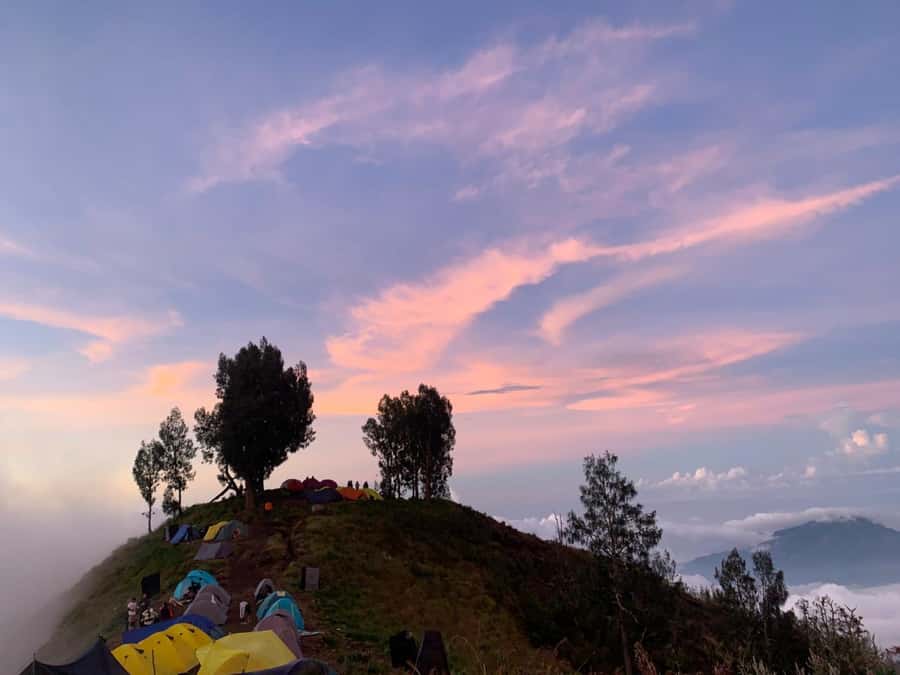
This trek has a clear reality check: you need warm layers, good footwear, and enough personal calories.
Bring:
- warm clothing
- a hat
- camera
- snacks
- hiking shoes
- sunscreen
- water
- rain gear
You should also think about what’s optional but very useful. A headlamp or strong flashlight is a common sense item for any 2:30am start. People doing this trek often emphasize the same point: good boots help, but light helps more than you expect when you are tired and navigating loose rocks.
Don’t bring:
- smoking gear and no smoking on the route
- anything that leads to littering
- touching plants (keep it respectful around the ecosystem)
One more practical tip: there is storage at the office for your backpack what is not needed for the hike. Use it. Keep your daypack light so your summit effort doesn’t turn into carrying your whole life on your back.
Weather, Summit Closures, and Staying Flexible
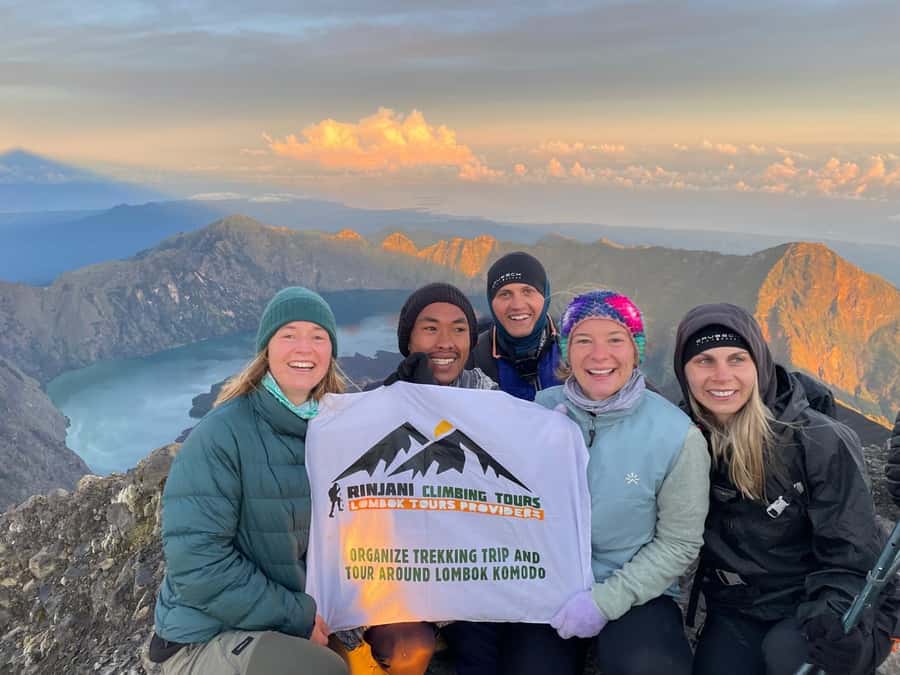
Mount Rinjani can be stubborn. Weather conditions can affect the itinerary, and there’s a real chance you could face summit adjustments. That’s not a reason to skip the trek, it’s a reason to plan mentally.
If the summit is closed, your crew may still keep you moving and make the day worthwhile. Even when the objective changes, you’ll still be on a volcano and you’ll still be earning your views if the conditions cooperate.
Also be ready for small route changes based on conditions. Early confusion can happen if things get explained late or direction shifts are needed. Your best move is to confirm key details early: start time, pickup point, and what the plan is if visibility or conditions change.
Guides and Porters: The Names That Come Through in the Details
On this kind of hike, the guide and porter crew can turn a scary trek into a manageable one.
I like that the experience is built around English-speaking guides and professional porters. People mention guides like Jack and August, along with Peaky, Nun, Wahdi, and Ajis. The common theme is support that feels active, not passive. You get help when the group tightens up. You get water and tea and coffee without having to chase it. You get camp run smoothly so you can focus on the walking.
Porters are also praised for efficiency and good mood. That matters because a positive crew keeps the energy steady when you’re tired and cold.
One more note: extra tipping for guide and porter is not included. If you do this, plan to tip. It’s part of how the local mountain crew system stays strong.
Is This Trek Right for You?
This is a challenging trek, and it’s not designed for people who want an easy workout. It’s best for you if you:
- have good physical fitness
- can handle a night wake-up and a pre-dawn climb
- want sunrise views and real mountain camping
- prefer a guided setup over managing logistics yourself
It is not suitable for:
- people with heart problems
- people with vertigo
- people with low level of fitness
If any of those apply, you’ll likely have a tough time, and not in a fun way. Save this one for when you’re ready, or choose a different style of hiking day.
Should You Book This Mount Rinjani 2D/1N Sunrise Trek?
Book it if you want the classic Rinjani experience, sunrise summit timing, crater rim camping, and a crew that handles camp and meals. The value is strongest when you factor in the included gear, water, food, guide support, and transport.
Skip it if you’re sensitive to cold mornings, you struggle with loose rocky footing, or you have any of the conditions listed as not suitable. Also be honest about your fitness. The hike is intense, and the second day is the one that tests you.
If you do book, bring warm clothes, snacks, and solid footwear, and plan for a flexible mindset if weather plays tricks. That mindset is what turns a tough trek into a story you’ll tell with a smile.
FAQ
How long is the Mount Rinjani trekking experience?
The duration is 2 days.
What route does this trek use to reach the summit?
It uses the Sembalun Route for the trek to the Mount Rinjani summit.
When do you start hiking toward the summit?
You wake up around 2:00am and the summit hike starts around 2:30am.
How long do you spend at the summit for sunrise?
You reach the summit just before sunrise and typically enjoy it for about 20 to 30 minutes.
Where do you sleep during the trek?
You sleep at the crater rim after day one.
Is water included during the hike?
Yes. You get 3 liters of mineral water per person per day.
What meals and drinks are included?
You get 3 meals a day, plus tea and coffee, along with fruit such as pineapple and banana.
Is transportation included after the trek?
Yes. You get transportation after the trek to Bangsal harbor or Mataram.
Is this trek suitable for everyone?
No. It is not suitable for people with heart problems, vertigo, or low levels of fitness.
More Evening Experiences in Indonesia
- Uluwatu Sunset, Kecak Dance, and Dinner Jimbaran Beach
★ 5.0 · 3,681 reviews - Bali Sunset: Uluwatu Temple, Kecak Dance and Jimbaran Bay
★ 4.7 · 2,397 reviews - Bali Hai Sunset Dinner Cruise
★ 5.0 · 1,173 reviews - Uluwatu Sunset Tour: Kecak and Fire Dance with Jimbaran Dinner
★ 4.5 · 597 reviews
Newest reviews out of Indonesia
- Lombok:Privat Snorkeling Gili Nanggu,Gili Sudak,Gili Kedis.★ 4.9 · 43 reviews
- Canggu Surf School Bali★ 5.0 · 43 reviews
- Malang: 3D2N Tumpak Sewu Bromo Ijen Bali in one go!★ 4.6 · 49 reviews
- Private Bromo Tour start from Malang – 1D★ 4.9 · 69 reviews
- Ubud: Waterfalls, Temple, and Rice Terrace Private Day Tour★ 4.7 · 69 reviews
- Ubud Town Center Silver Class – Silver Jewelry Making Class★ 4.9 · 138 reviews
- Lombok: Gili Nanggu, Sudak, & Gili Kedis Private Snorkeling★ 4.9 · 161 reviews
- From Nusa Penida: 3 Spots Snorkeling Tour with Manta Rays★ 4.4 · 720 reviews
Mount Rinjani Treks, compared.
3D-2N Explore Mount Rinjani – Summit -Lake and Hotspring
Read our review →
Mount Rinjani Trek 3D-2N To Summit – Lake – Hotspring
Read our review →
3D/2N Rinjani trekking summit,lake and hot springs.
Read our review →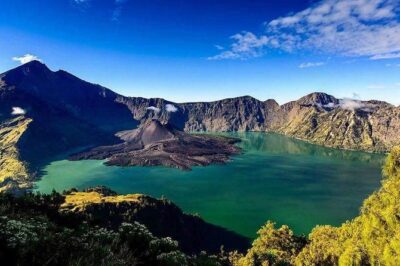
Mt Rinjani Trekking 2 Days 1 Night (Senaru Crater Rim)
Read our review →
Rinjani Trekking 3 Days 2 Nights (Sembalun – Senaru)
Read our review →Browse the lists this tour appears in